August 2023
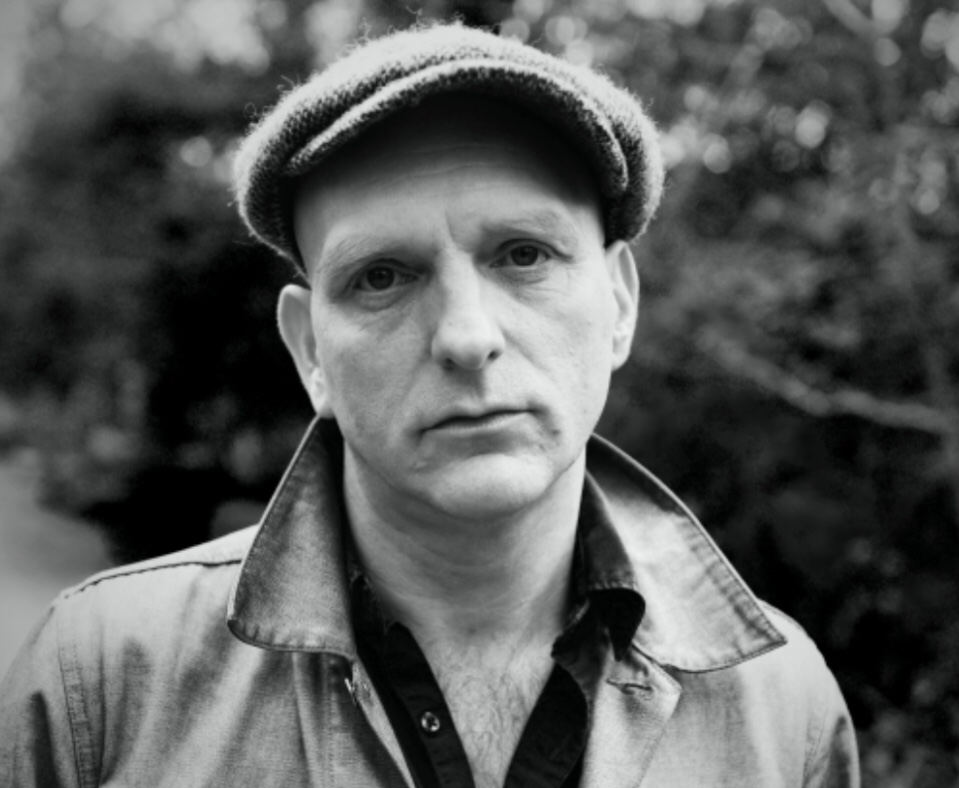
Jan Noble, poet, performer and former member of the punk band Monkey Island, has a new show currently playing at the Hope Theatre (until August 26th). Described as “a mini verse-drama, a tale of inner and outer journeys in explicit homage to Dante’s Divine Comedy”, “Body 115” promises to be a fascinating sixty minute epic. Here, Jan chats about the power of poetry, the importance of place, and how his wider work influences his writing…
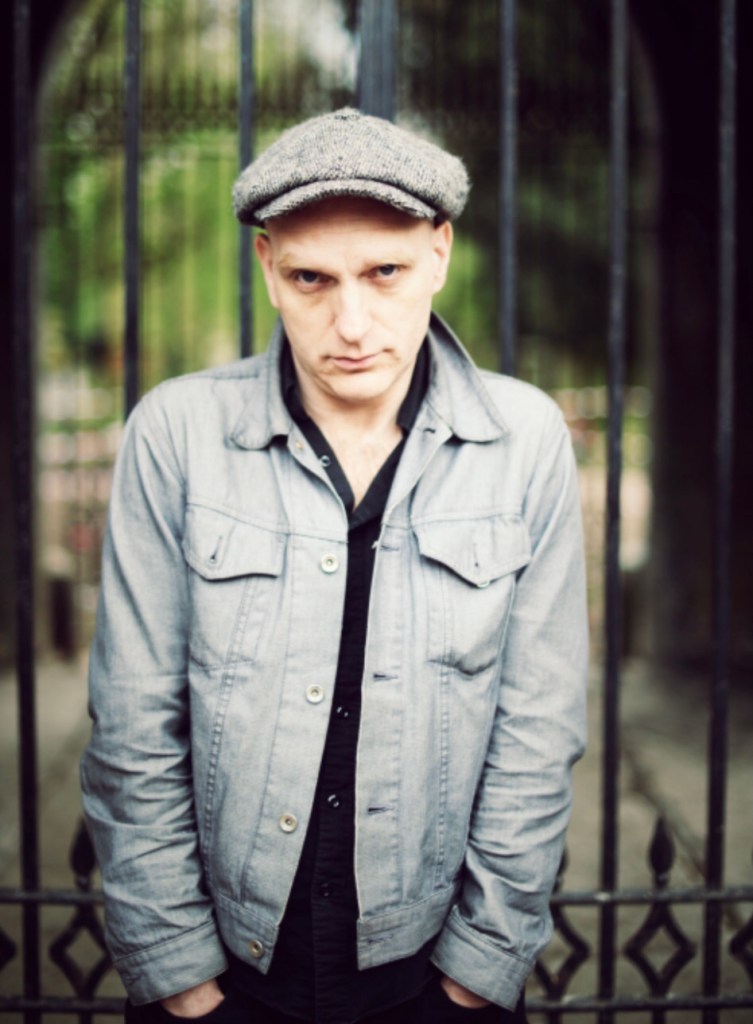
In Body 115 we have a sixty minute solo show exploring a host of themes “in explicit homage to Dante’s Divine Comedy” which centres on “Body 115”: an unidentified victim of the 1987 fire. Tell me a little bit about what inspired you to write such a piece.
I was born in London and, although I grew up on its fringes, I have lived and worked here all my life. Events like the King’s Cross Fire and, more recently, the tragedy at Grenfell Tower are defining moments in the city’s history. We can’t help but be touched or troubled, angered or outraged by them. When questions about how or why they happened are not satisfactorily answered I think it is the responsibility of the artist to conduct their own invsetigation. The King’s Cross fire seemed to signify the end of an old London and the emergence of a new one. Perhaps we inherited a safer city but also gained a more sanitised one. I wanted to dig down beneath the surface, get some dirt under my nails, wake a few ghosts and get them to tell their own story.
The show is described as “an energetic blend of theatre and richly lyrical poetry”; how do these two elements interact within the show? I’m wondering if the lyrical poetry might provide pause where the energised moments provide the promised invoking of “ancient rebellion and civil strife”?
The piece was originally written as a long poem. I was getting stuck into Dante’s ‘Inferno’ at the time, struggling with it to be honest, when I was asked to take part in a live reading of the entire ‘Divine Comedy’. Actors such as Ralph Fiennes and Helen Mirren were involved and on an early planning Zoom session the wonderful John Nettles asked me if, as a poet, I felt the cantos should be read as verse or as drama. Obviously I was star struck and fudged my answer but his question really hit home. John, for one, was a master at letting the drama in Dante’s epic poem reveal itself. I learned a lot from that; being lead by the text and not simply pushing the poetry theatrically. In ‘Body 115’ some of the more lyrical pieces actually give themselves very naturally to theatre. My director, Justin Butcher, has worked very carefully to retrieve the story from within the poem and identify when movement or pause are called for, where energy or reflection are necessary.
This piece has strong literary touchstones, too – how do Marlowe and Keats, presumably among others, contribute to the narrative or messaging of Body 115?
I’m a sucker for poets who meet a bad end. Marlowe’s mysterious demise, I like to think, adds to the intrigue, another case unsolved. Was he bumped off by the government or was it a brawl over an unpaid bar tab? ‘Body 115’ is a journey piece, a trip from London to Italy, a voyage which of course Keats took himself. He had been persuaded to leave London because of his health and there is a recovery element to this story, a desire to escape and seek renewal elsewhere. The literary ghosts I encounter are all on journeys, in exile, running away or running toward something.
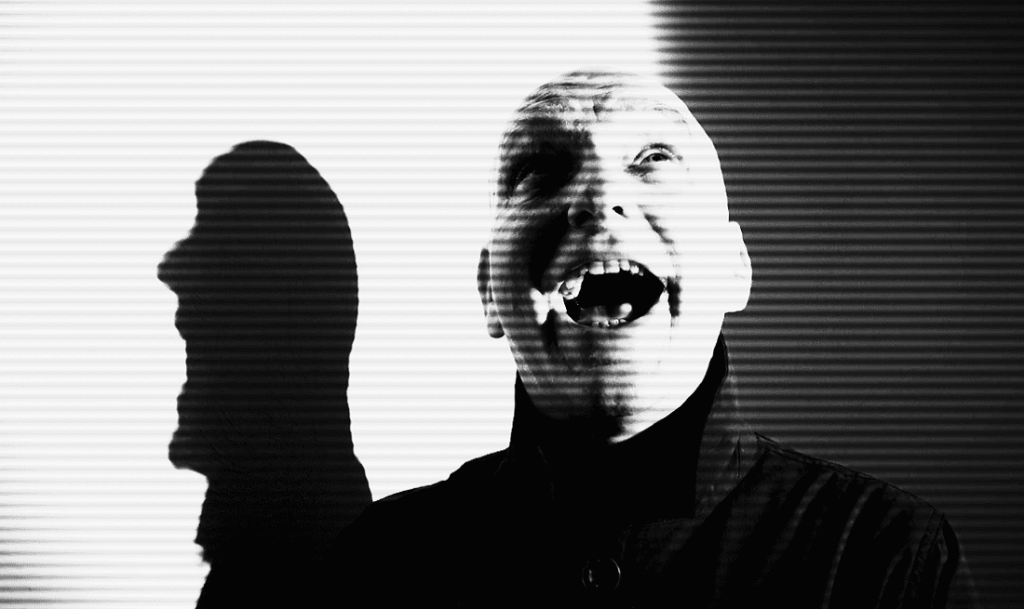
And amidst the poets, the show also promises inner and outer journeying across time and space: “A trans-European odyssey turned safari of the soul.” How do you go about capturing such a sweeping odyssey on stage? Will audiences be relying on Coleridge’s “willing suspension of disbelief” in a black box dynamic or will there be theatrical help along the way?
I love that line about the “suspension of disbelief”. I’m hoping audiences will find something in what Keats meant when he wrote that “Poetry soothes and emboldens the soul to accept mystery.” Perhaps there isn’t an explicitly clear linear narrative here but I hope there are enough moments, signposts and clues to keep you engaged. Good story telling will lead you astray without getting you lost. I have to say that the totally lush sound design by Jack Arnold and the delightfully simple lighting by Tom Turner really help to carry this piece along too. Jack, especially, is a magician with a phenomenal track record in both film and theatre. If you’re in any doubt come for the lights and the sound and stay for the poetry!
You are both writer and sole performer here, but Body 115 was adapted for the stage by Justin Butcher – I’m always interested in the dynamics of writers who perform their own work and those who direct or adapt it. What insights can you give about the process?
Well Justin Butcher is of course a writer and performer of his own work too so he was a brilliant fit. He quickly identified some common mistakes writer / performers can make. It’s so easy, when you are so close to a work, so familiar with it, to forget that you are telling it to someone else for the first time for example. I know it from the inside, he can see it from the outside. He has a classics background, is methodical and considered whereas I was a drummer in a punk band and a bit ‘bish bash bosh’. But he worked with my raw energy, fine tuned it, dialled it down in places, encouraged me to let rip (occasionally!) when it needed it.
It’s a common question, but always a valid one: who are you hoping will come and see this show and what do you hope they will take from it?
I’d like to think ‘Body 115’ will appeal to a mix of people. Even if you’re not familiar with theatre or poetry, if you’re just a little curious about history or London or travel I think there’s something here. I’d hope an audience will feel like they’ve been on a journey, that in the turbulence of our lives sometimes one well turned line from a poem can raise a smile, ignite an idea, trigger a memory, touch something within.

I usually ask my interviewees about their route into the arts, but I’m fascinated to know more of your experiences – namely the fact that you have taught creative writing in prisons, psychiatric hospitals and homeless shelters and you’ve acted as poetry facilitator for the mental health charity Core Arts. How, if at all, has such work influenced your instincts and interests as a writer and performer?
It’s influenced me tremendously. To be witness to someone else’s story is an honour and I have heard many moving, tragic, funny and terrifying stories in those environments. What I learned throughout those experiences was that, no matter how desperate, no matter how appalling someone’s circumstances were, no matter how broken a person was poetry always remained. Poetry as something to turn to for comfort, poetry as a means of expression. At a time politically when the arts are derided or considered the reserve of the well off or well to do, I know, from experience, the immense power a simple poem can hold for someone who has absolutely nothing. This is essentially what drives ‘Body 115’: the idea that someone without identity, someone who lost everything, can still, at least, tell a story.
And you were of course also a member of punk band Monkey Island – would you say that that chapter of life also has some bearing on your current stage work?
Absolutely. There’s dynamics and craft even in a 90 second punk track; a beginning, a middle and an end. Actually quite a lot of what we did involved developing long, I suppose you’d call them ‘spoken-word’ monologues, dramatic and sometimes meandering tales of loners, losers and ne’er-do-wells. A similar territory to ‘Body 115’. One thing that drove Justin Butcher round the bend in early rehearsals was that I kept tapping out a beat with my foot. He threatened to nail it to the stage at one point! Old habits. If you catch me doing it at the Hope I’ll give you your money back after.

A couple of quick-fire questions now… Most memorable time in a theatre – either on stage or in the audience?
School trip to watch Berkoff’s ‘Metamorphosis’. First piece of theatre I ever saw. A group of giggling teenagers brought to stunned silence and inspired enthralment. Don’t think I’ve ever witnessed anything quite like it since.
Who or what inspires you most as a creative?
Genuine integrity, hearing someone take pleasure in language, fearlessness.
Best work you’ve seen on stage this year?
Guy Masterson’s one person version of ‘Under Milk Wood’
Best advice you’ve ever been given when it comes to writing, performing or creating?
Keep your powder dry!
What would you like to see in terms of change within the industry in the years to come?
Less industry, more artistry.
And finally: why should audiences see Body 115?
Well, as they used to say in London back in Shakespeare’s day, “Let’s go hear a play” I’d like audiences to come ‘hear’ ‘Body 115’ as much as come see it…
So there you have it! You can see Jan Noble’s “Body 115” at the Hope Theatre, Islington until 26 August 2023 – more information and tickets can be found here.
 Always Time For Theatre
Leave a comment